Pulmonary Fibrosis & ILD Care in Manchester, CT — Expert Support for Every Stage
- Gradual, worsening shortness of breath — first with exertion, then sometimes at rest
- A dry, persistent cough that does not go away
- Fatigue that feels disproportionate to your level of activity
- A sense that your breathing has become shallower over time
- Unexplained weight loss or decreased appetite
- Clubbing of the fingertips (rounded, enlarged fingertip ends)
- A diagnosis of interstitial lung disease (ILD) that has left you with questions and uncertainty
Are You Experiencing...
A diagnosis of pulmonary fibrosis can feel overwhelming. You are not alone, and you deserve care that is both medically expert and deeply human.
What Is Pulmonary Fibrosis?
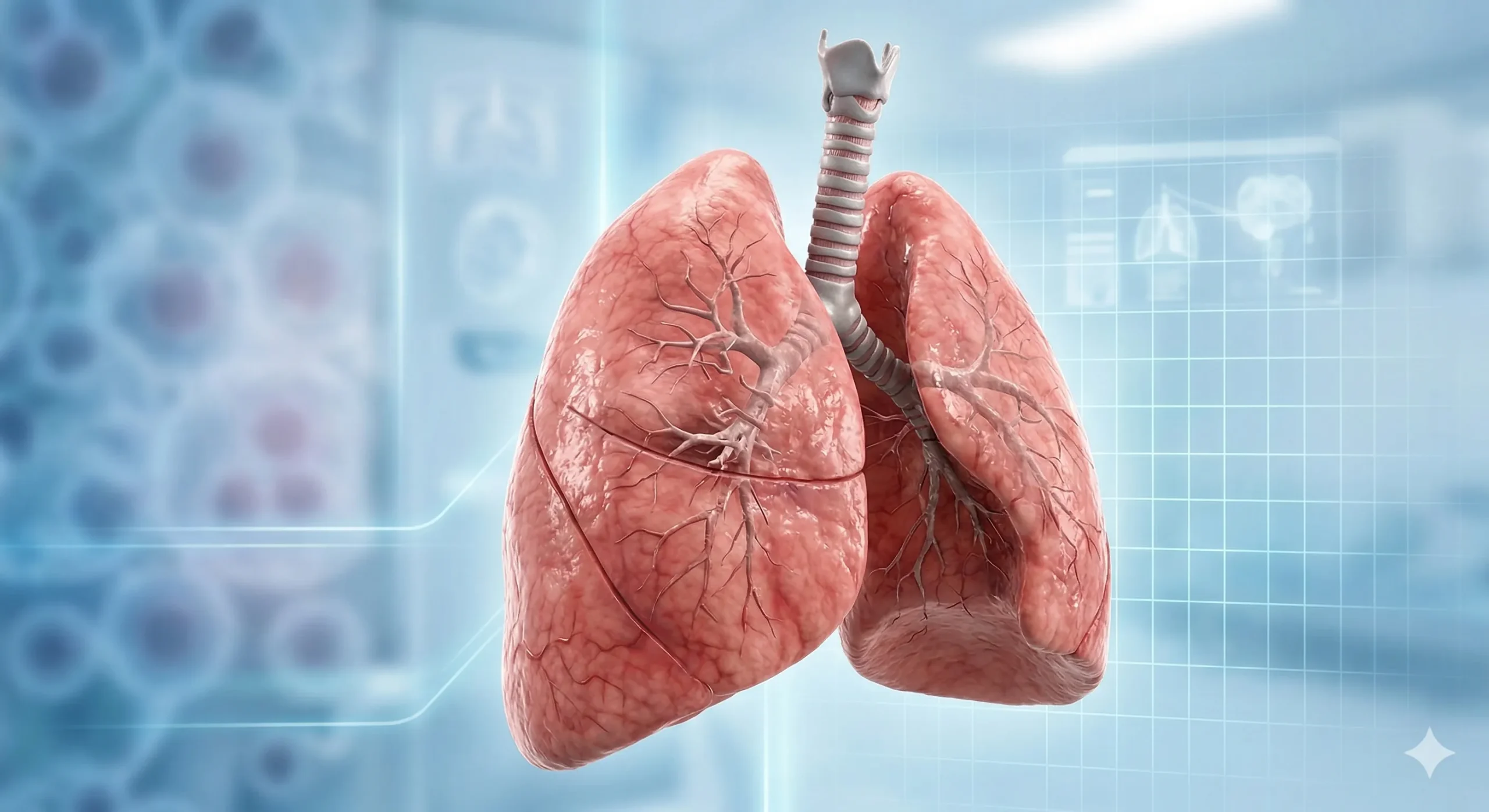
Pulmonary fibrosis is a serious lung condition in which the lung tissue becomes progressively scarred and thickened over time, making it increasingly difficult for oxygen to pass from the lungs into the bloodstream. This scarring — called fibrosis — makes the lungs stiff and reduces their ability to expand fully with each breath.
Pulmonary fibrosis falls under a broader category of conditions called interstitial lung disease (ILD), which includes dozens of related disorders. In many cases, a specific cause cannot be identified — this is called idiopathic pulmonary fibrosis (IPF). In others, the condition may be connected to autoimmune disease, environmental exposures, or medications.
While pulmonary fibrosis is serious and progressive, treatment has advanced significantly in recent years. Antifibrotic medications can slow disease progression, and supportive therapies can meaningfully improve comfort, functional capacity, and quality of life.
- High-resolution CT scan of the chest — the most important imaging tool for detecting and characterizing the pattern of lung scarring
- Pulmonary Function Testing (PFT) — to measure the extent to which lung capacity and airflow have been affected
- 6-minute walk test — to assess exercise tolerance and oxygen saturation during physical activity
- Echocardiogram — to evaluate heart health and assess for pulmonary hypertension
- Comprehensive lab work — including autoimmune panels to identify underlying connective tissue or inflammatory conditions
- Biopsy referral when indicated — in select cases, referral for surgical or bronchoscopic lung biopsy to establish a definitive tissue diagnosis
How We Diagnose Pulmonary Fibrosis and ILD
Accurate diagnosis is especially critical with ILD, because different types require different treatment approaches. Your evaluation may include:
- Antifibrotic medications — FDA-approved therapies such as pirfenidone and nintedanib have been shown to slow the rate of lung function decline in IPF
- Supplemental oxygen therapy — helps protect the heart, reduce breathlessness, and maintain function and quality of life when oxygen levels drop
- Pulmonary rehabilitation referral — structured exercise and education program to build endurance and confidence in daily life
- Acupuncture for symptom management — a valuable complementary tool for managing breathlessness, fatigue, anxiety, and sleep disruption associated with chronic lung disease
Our Treatment Approach
We understand that living with pulmonary fibrosis involves not just physical symptoms but emotional weight as well. We approach every visit with that understanding.
Why Choose Advanced Pulmonary Care for Pulmonary Fibrosis?
Pulmonary fibrosis demands a specialist who takes it seriously. Milos Tomic, APRN brings focused pulmonary expertise to every patient with ILD — ensuring accurate diagnosis, a current evidence-based treatment plan, and a provider who will monitor your progress and adjust your care over time.
We accept all major insurance, see patients ages 12 and up, and provide care in English, Serbian, Bosnian, Croatian, and Montenegrin.
Ready to Breathe Better?
Join hundreds of patients who have found clarity and comfort through our integrative pulmonary care.