Pleural Disorder Care in Manchester, CT — Expert Diagnosis for Chest Pain and Fluid Around the Lungs
- Sharp or stabbing chest pain that worsens when you breathe in deeply
- A dull, heavy feeling in your chest — as if something is pressing on your lungs
- Shortness of breath that came on gradually or suddenly
- A dry cough that does not seem connected to a cold or infection
- Pain that radiates to your shoulder or back when you take a deep breath
- A feeling that you cannot fully expand your lungs
- Fatigue or general discomfort that accompanies your breathing difficulty
Are You Experiencing...
Chest pain and breathing difficulty can be alarming. If your symptoms are not improving — or if they appeared suddenly — it is important to have them evaluated by a pulmonary specialist.
What Are Pleural Disorders?
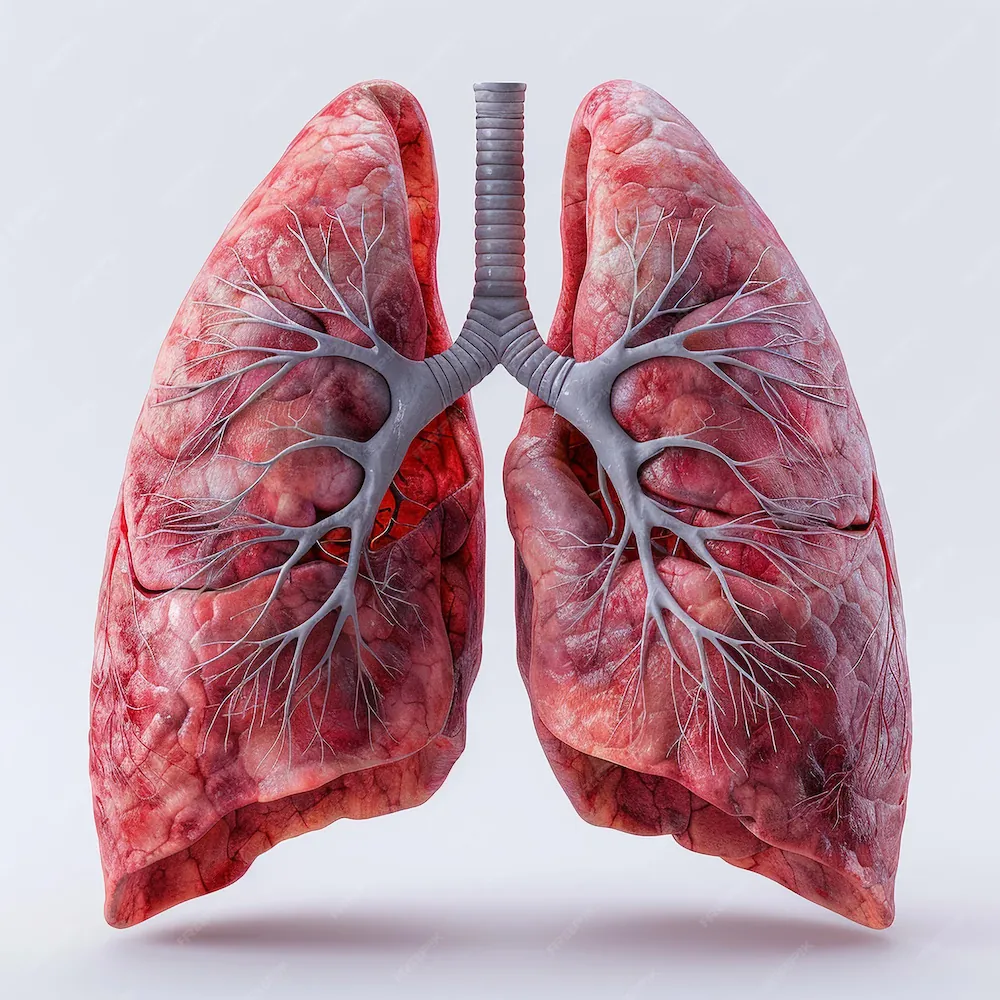
The pleura is a thin, two-layered membrane that lines the outside of the lungs and the inside of the chest wall. Between these two layers is a small amount of fluid that allows the lungs to move smoothly during breathing. When the pleura becomes inflamed, filled with excess fluid, or compromised in some way, the result is a pleural disorder — and it can significantly affect your ability to breathe.
There are three main types of pleural disorders:
Pleural effusion occurs when excess fluid builds up in the space between the two pleural layers. This fluid can be caused by infection, heart failure, liver or kidney disease, cancer, or inflammation. As the fluid accumulates, it compresses the lung and makes breathing progressively more difficult.
Pleurisy (pleuritis) is inflammation of the pleura itself. The hallmark symptom is a sharp, stabbing chest pain that worsens with each breath. Pleurisy is often caused by viral infections, pneumonia, autoimmune conditions, or pulmonary embolism. While the pain can be intense, pleurisy is treatable once the underlying cause is identified.
Pneumothorax — commonly known as a collapsed lung — occurs when air leaks into the pleural space and puts pressure on the lung from the outside, causing it to partially or fully collapse. This can happen spontaneously, after a chest injury, or as a complication of lung disease.
Each of these conditions requires a different approach to diagnosis and treatment, which is why a thorough evaluation by a pulmonary specialist is essential.
- Chest X-ray — often the first step, a chest X-ray can reveal fluid accumulation, signs of lung collapse, or pleural thickening
- CT scan of the chest — provides a highly detailed view of the pleural space, the lungs, and surrounding structures, helping us pinpoint the nature and extent of the problem
- Thoracic ultrasound — useful for guiding procedures and detecting smaller fluid collections that may not be visible on X-ray
- Thoracentesis — a procedure in which a small amount of pleural fluid is withdrawn with a needle for laboratory analysis; this can determine whether the fluid is caused by infection, inflammation, or malignancy
- Blood work and additional testing — to evaluate for systemic causes such as infection, autoimmune disease, or organ dysfunction
How We Diagnose Pleural Disorders
Identifying the specific type and cause of a pleural disorder requires a careful, systematic evaluation. Our diagnostic process may include:
A precise diagnosis is especially important with pleural disorders, because the treatment depends entirely on what is causing the problem.
- Therapeutic thoracentesis — for pleural effusion, removing excess fluid can provide immediate relief from shortness of breath and chest pressure; the fluid is also analyzed to guide further treatment
- Anti-inflammatory medications — for pleurisy, nonsteroidal anti-inflammatory drugs (NSAIDs) or corticosteroids can reduce pleural inflammation and relieve pain
- Treatment of the underlying cause — whether the issue is an infection requiring antibiotics, a cardiac condition needing management, or another systemic process, we address the root cause alongside the pleural symptoms
- Monitoring and observation — for small pneumothorax cases, the lung may re-expand on its own with close monitoring; we track your progress and intervene if needed
- Referral for procedural intervention — larger pneumothorax or recurrent effusions may require chest tube placement or surgical consultation, and we coordinate that care seamlessly
- Acupuncture — can support pain management during recovery from pleurisy or post-procedure discomfort, and may help promote the body’s natural healing response
Our Treatment Approach
Treatment for pleural disorders varies significantly depending on the type and underlying cause. At Advanced Pulmonary Care, your plan may include:
We work closely with each patient to ensure that follow-up imaging and monitoring are scheduled appropriately, so that the condition does not recur or progress.
Why Choose Advanced Pulmonary Care for Pleural Disorders?
Pleural disorders can range from a manageable episode of pleurisy to a complex effusion requiring intervention. In every case, the quality of the evaluation matters. Milos Tomic, APRN brings focused pulmonary expertise to each case, combining advanced diagnostic tools with an integrative philosophy that includes acupuncture for pain management and recovery support.
We serve patients ages 12 and up, accept all major insurance, and provide care in English, Serbian, Bosnian, Croatian, and Montenegrin. Our office is located at 175 Main Street, Suite B, Manchester, CT.
Ready to Breathe Better?
Join hundreds of patients who have found clarity and comfort through our integrative pulmonary care.